The Things I Notice in the First Five Minutes of a House
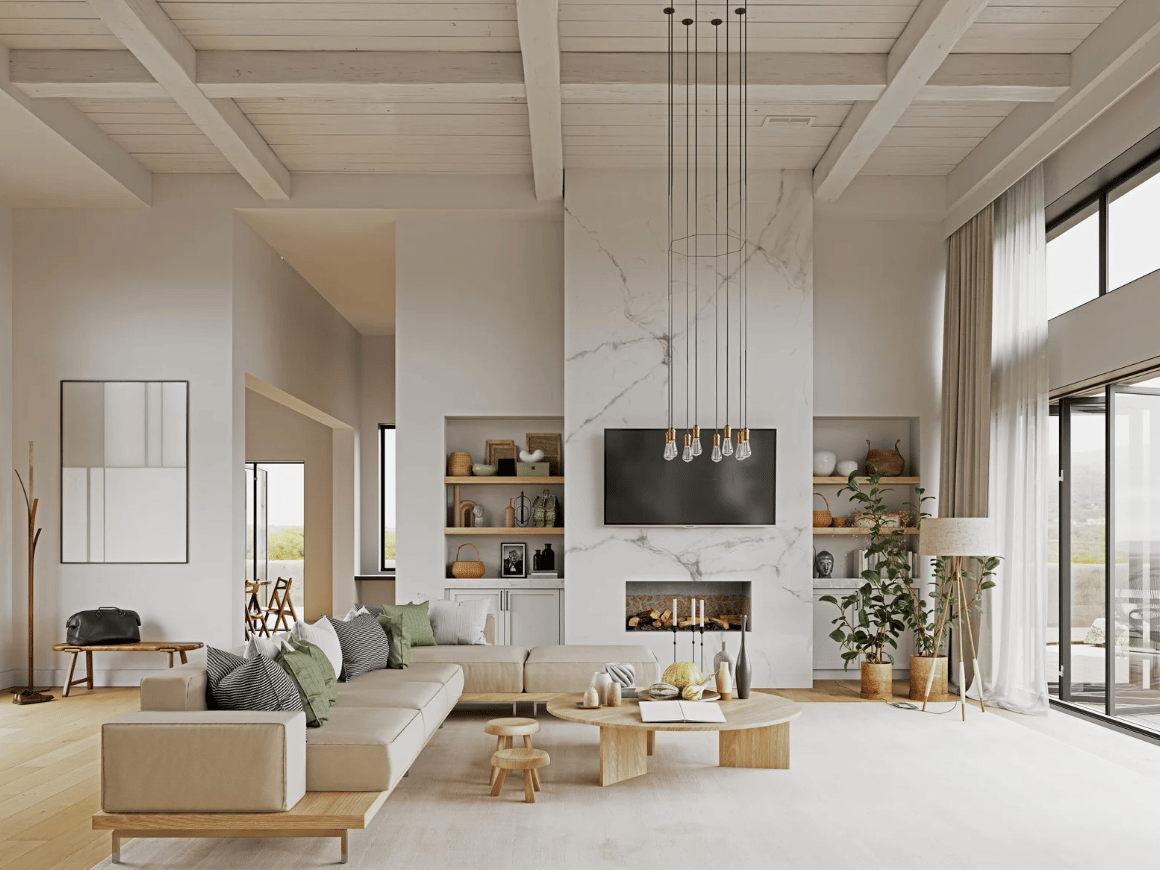
Not because I’ve memorized the square footage or checked the price per square foot. Those things matter, of course, but they come later.
After years of walking through houses with buyers and sellers, I’ve developed a habit of noticing certain things almost immediately. Some are obvious. Others are easy to miss until you’ve lived in a house for a while.
Here are a few of the things I’m looking at.1. How the house sits on the street
Before I even walk through the front door, I’m looking at the house in context.
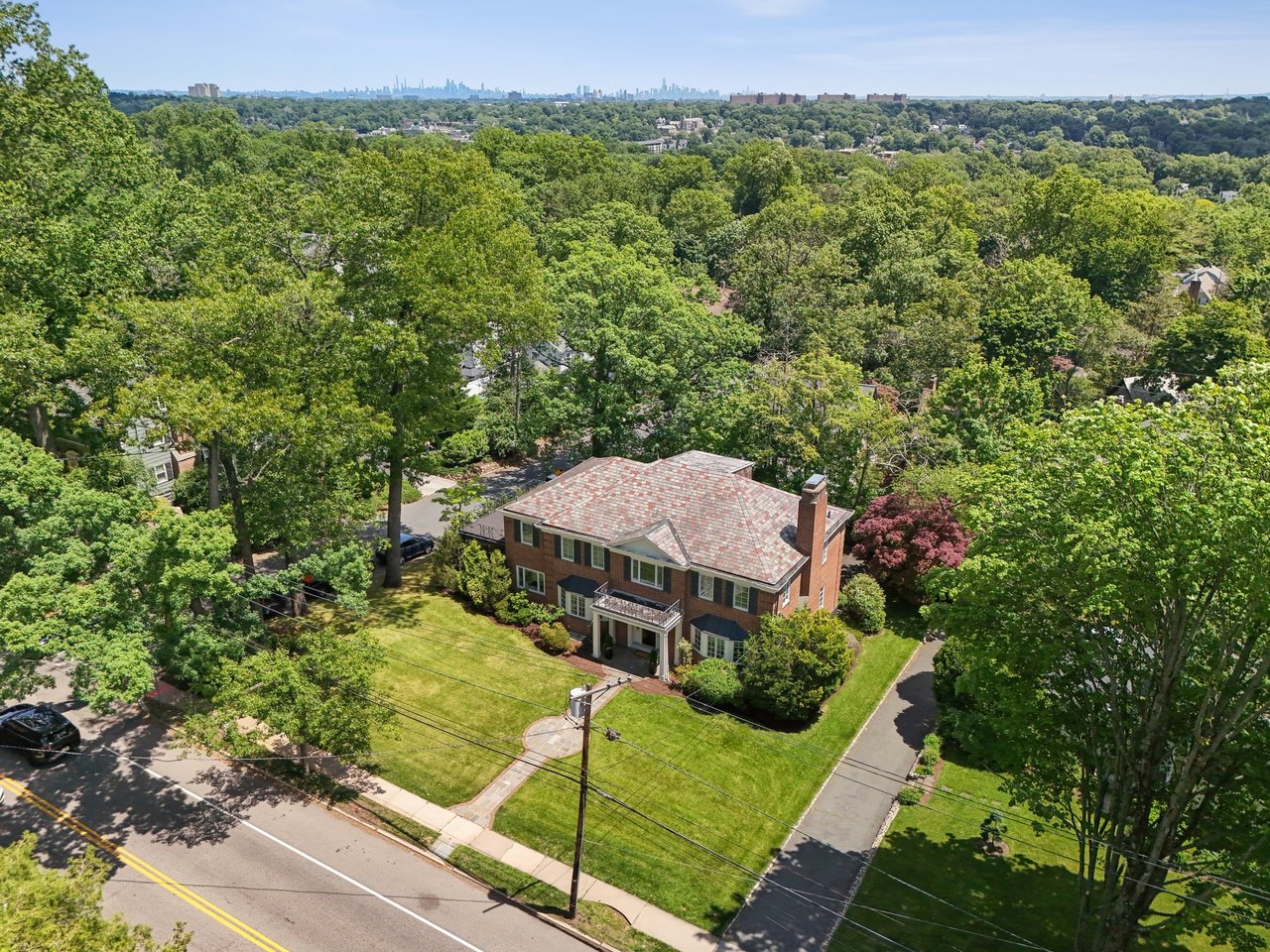
How does it sit on the lot? What’s the relationship to the street? Is there privacy? What do you see when you pull into the driveway or walk up to the front door?
You can renovate a kitchen. You can change paint colors. You can't change the way a house meets the street.
And that first impression isn't just about curb appeal. It tells you something about how the house might feel to come home to every day.
I notice light almost immediately.
Where is it coming from? Which rooms get morning sun? What happens to the light as you move through the house?
A room can be beautifully renovated and still feel flat if it doesn't have good natural light. And sometimes a room that looks fairly ordinary in photographs feels completely different when you're standing in it at 10 a.m. with sunlight coming through the windows.
This is one reason I encourage buyers to see a house at different times of day when they can.
Light changes everything.
This is a big one.
Can you move naturally through the house? Does the kitchen connect comfortably to the places where people actually gather? Is there somewhere to drop your bag when you walk in? Does the dining room make sense where it is?
I’m thinking less about whether a floor plan looks good on paper and more about how people are going to live in it.
Because a house can have all the right rooms and still have the wrong flow.
And the opposite is true, too. A house with an unconventional layout can work beautifully if the spaces connect in a way that makes sense for the people living there.
Ceiling height. Window placement. Room size. Doorways. The relationship between one room and the next.
These are the details that don't always make it into a listing description, but they can completely change the feeling of a house.
Two living rooms can have nearly identical square footage and feel nothing alike.
That's why I don't want buyers looking only at numbers. How a space feels matters.
Every interesting house has something.
Maybe it's an awkward addition. A tiny hallway. A strangely placed bathroom. A staircase that doesn't quite make sense.
Sometimes it's a problem.
Sometimes it's an opportunity.
And sometimes it's simply part of the character of the house.
I actually like finding these things. The important question isn't whether a house is perfect. It's whether you understand what you're looking at—and whether the things that aren't perfect are things you can live with, change or even learn to love.
This is the part that's hardest to put into a checklist.
Sometimes you walk into a house and immediately start imagining your life there.
You can picture everyone gathering in the kitchen. You know exactly where the Christmas tree would go. You can see the dog racing into the backyard. You find yourself wondering which room would become your office.
That's useful information, too.
After all these years, I've learned that the things that make a home right for you aren't always the things that make it look impressive online.
Sometimes it's the light.
Sometimes it's the way everyone naturally ends up in the kitchen.
Sometimes it's the backyard you can already picture yourself using.
And sometimes it's a feeling you can't quite explain yet.
That's why I always tell my buyers: don't just look at the house. Pay attention to how the house makes you feel.
The numbers matter. The inspection matters. The location matters.
But finding the right home is also about learning to notice the things that don't show up on a listing sheet.
I can usually tell pretty quickly whether a house has something special.
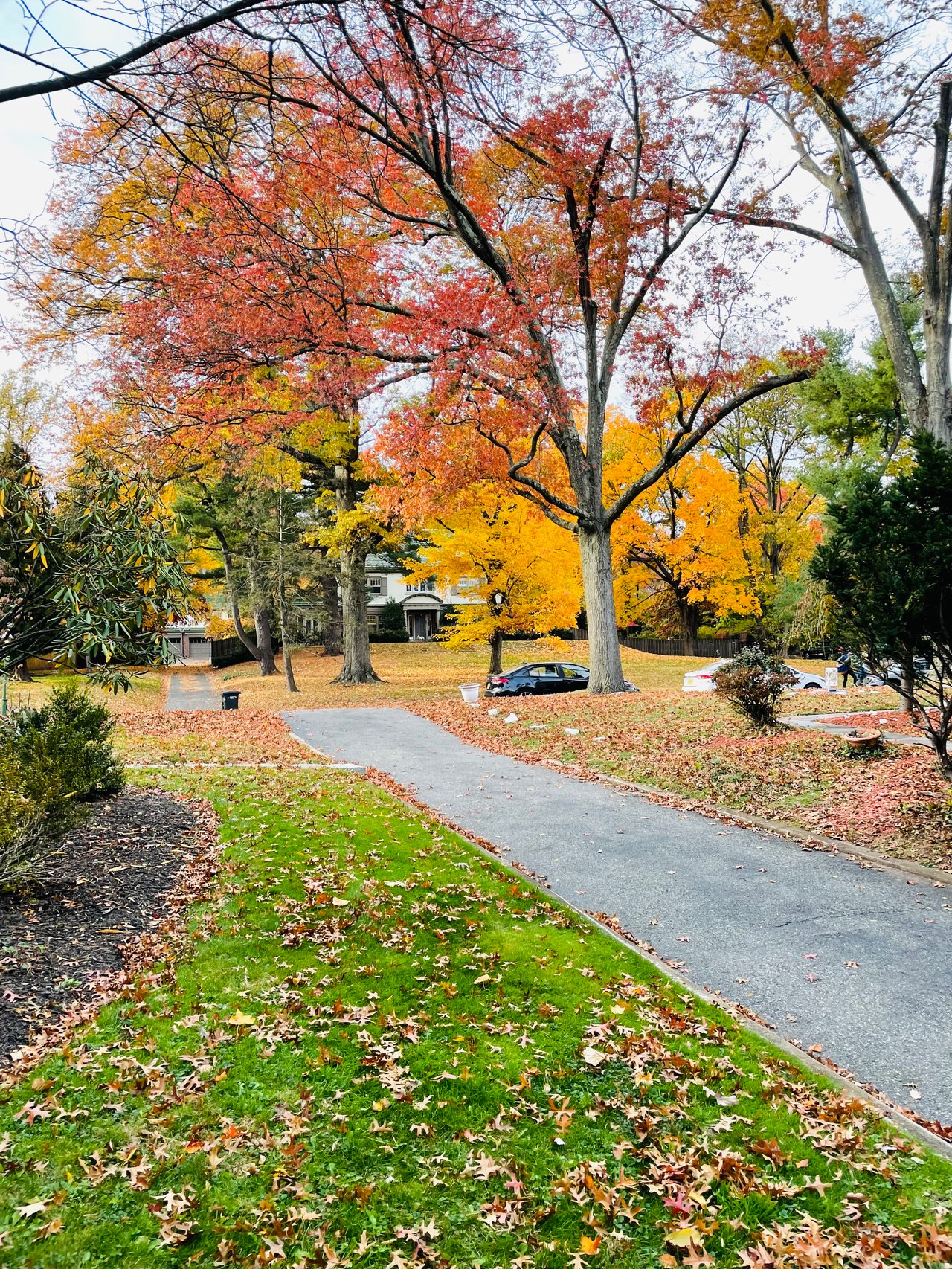
If you’re moving from New York City to northern New Jersey, there’s a good chance someone has already told you to look at Maplewood, South Orange or Montclair.

Homeownership isn't about checking a box or following someone else's timeline. It's about creating a strategy that fits your life—today and in the future.

Getting an accepted offer is exciting. For buyers, it can feel like the hard part is over. For sellers, it can feel like the finish line is finally close. But in… Read more
There’s a very specific conversation I keep having right now with buyers coming out of Brooklyn—smart, thoughtful people who are no longer just asking “Can we afford t… Read more


Buying a home is one of the biggest purchases you’ll ever make. And homeowner’s insurance is what protects that investment. Think of it as your safety net.

Want to stay one step ahead of the market? Sign up to be on Dyanna's VIP mailing list to receive exclusive listings, real estate news and a lot more.