For years, Brooklyn was the dream.
Walkable streets. Independent shops. Great food. Brownstones with character. A strong sense of identity.
But lately? More and more families are quietly making a move.
They’re choosing SOMA — South Orange and Maplewood — over Brooklyn.
Not because Brooklyn lost its appeal.
But because priorities shift.
Here’s what’s actually driving the change.
1. Space That Feels Like Relief
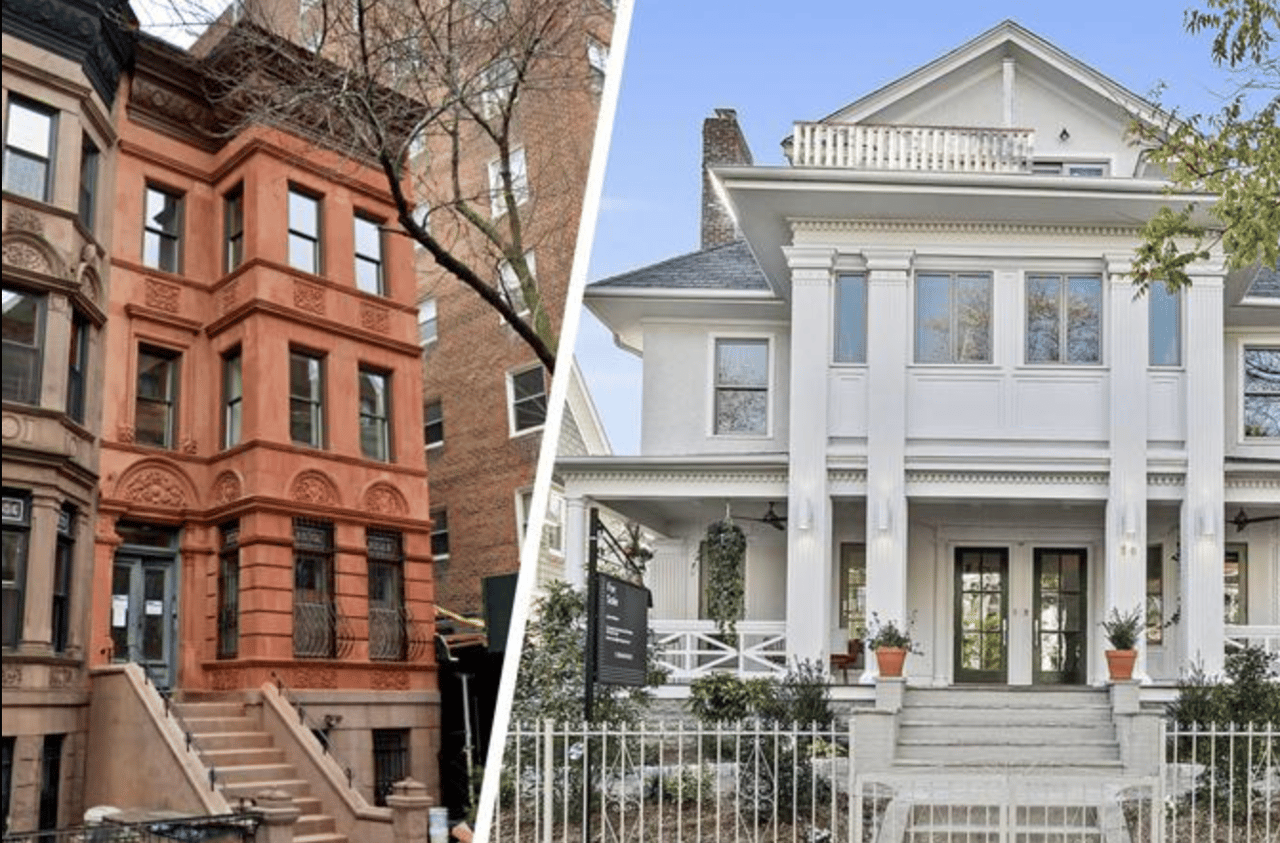
In many Brooklyn neighborhoods — especially places like Park Slope — a $1.5–$2M budget often buys:
-
A narrow brownstone condo
-
Limited outdoor space
-
No true primary suite
-
Tight storage
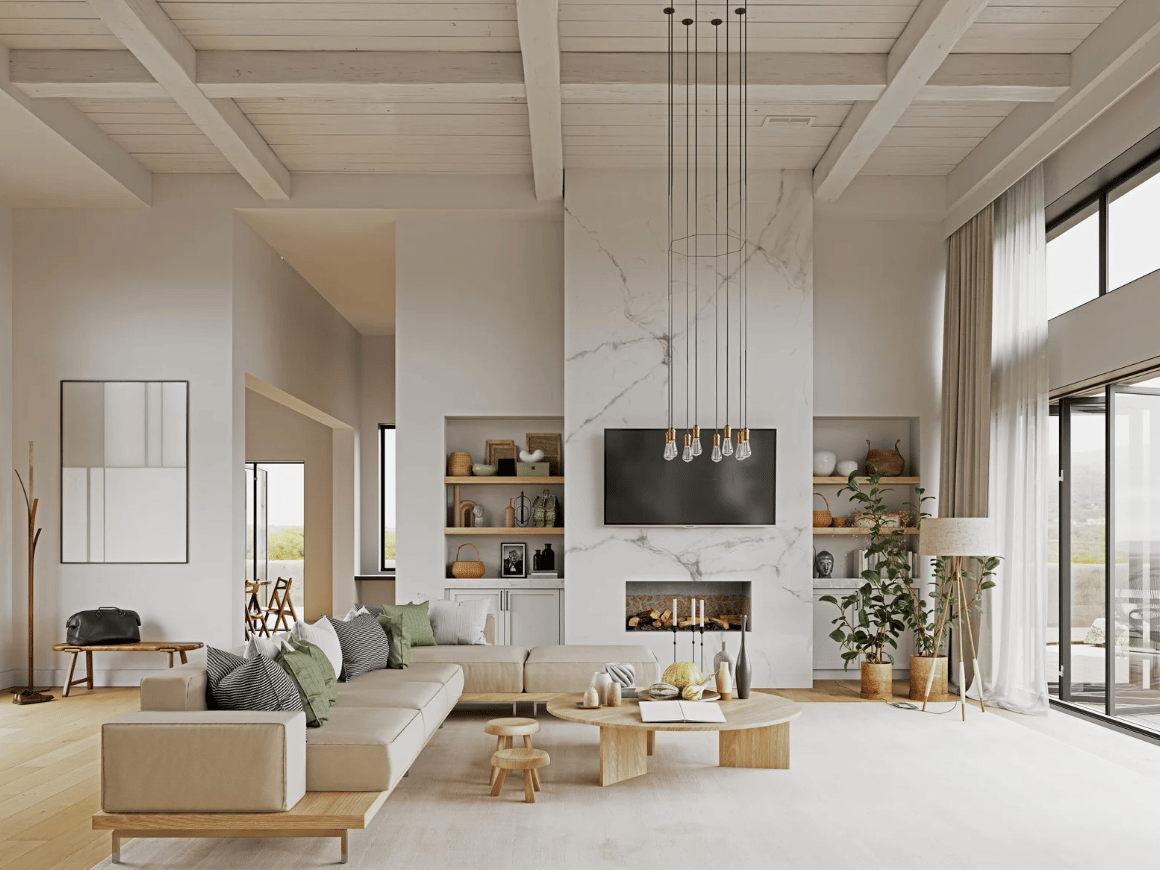
In SOMA, that same budget typically buys:
-
4–5 bedrooms
-
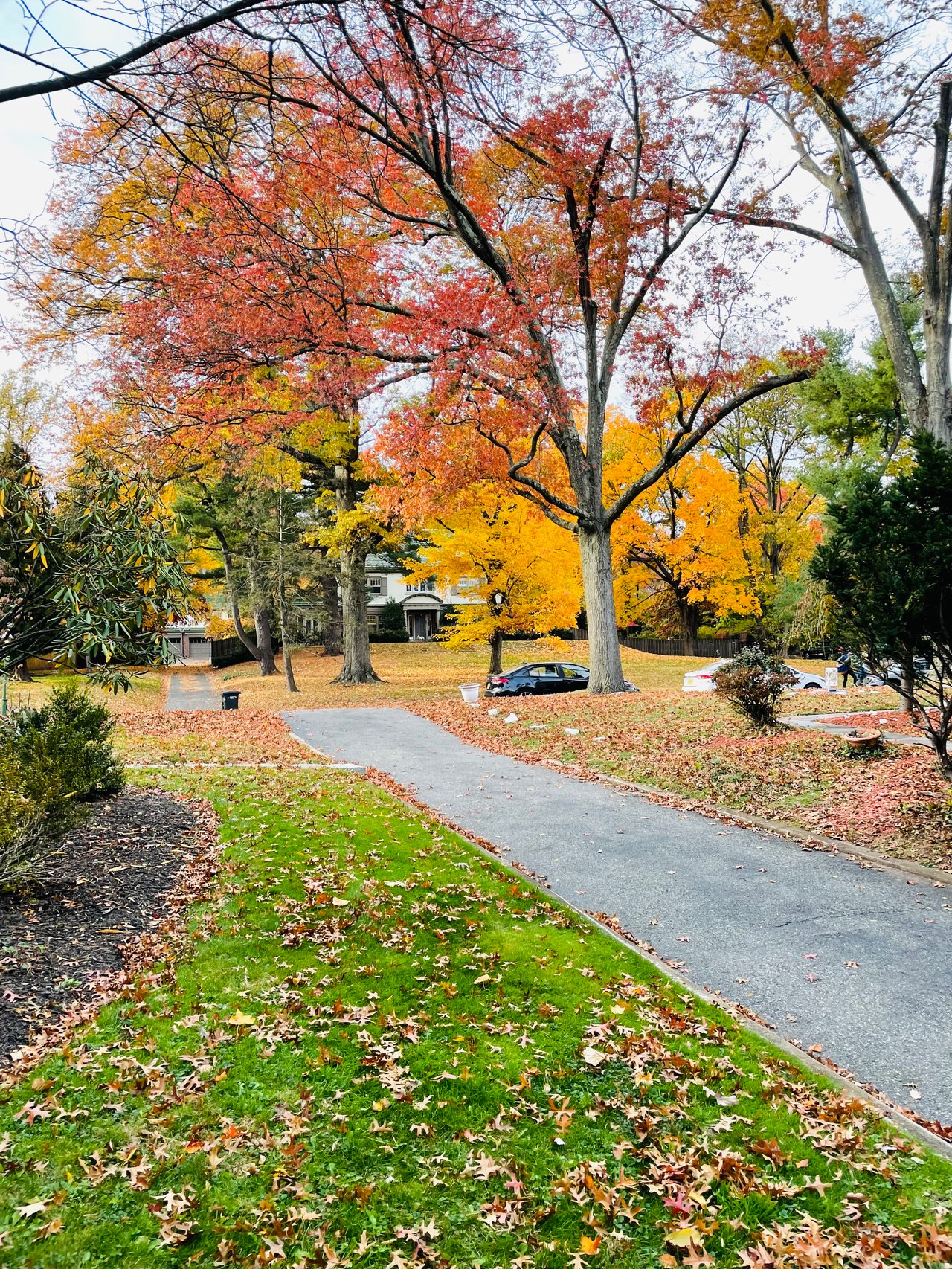
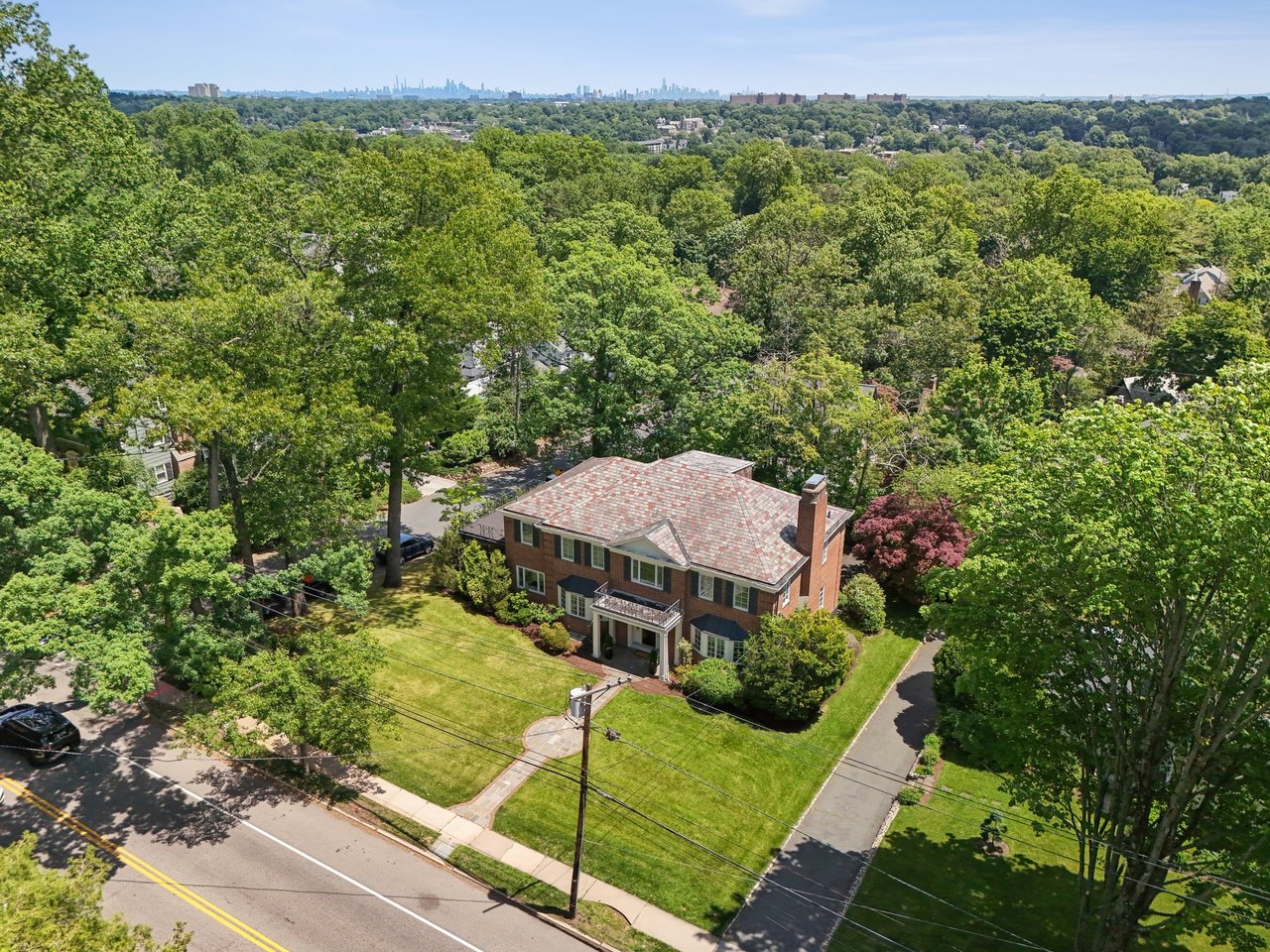
A real backyard
-
A finished basement
-
A driveway (sometimes even a garage)
And the shift families describe isn’t just “more space.”
It’s breathing room.
Room for guests. Room for work-from-home. Room for kids to exist without feeling on top of each other.
That matters more than it did five years ago.
2. The Commute Is Manageable — and Predictable
Many Manhattan-bound buyers are surprised to learn that the train from South Orange or Maplewood to Penn Station is often comparable to a Brooklyn-to-Midtown subway commute — sometimes faster, depending on your starting point.
You trade subway stairs for a direct-seat train ride.
For hybrid workers, that tradeoff feels even easier.
3. Public Schools Are a Major Factor
For families planning long-term, schools become part of the math.
Instead of navigating private school tuition or competitive NYC admissions processes, many buyers are looking at established suburban public systems.
It’s not just about rankings — it’s about predictability.
Knowing where your child will likely go from elementary through high school brings stability.
4. Community Feels Accessible
This surprises Brooklyn families.
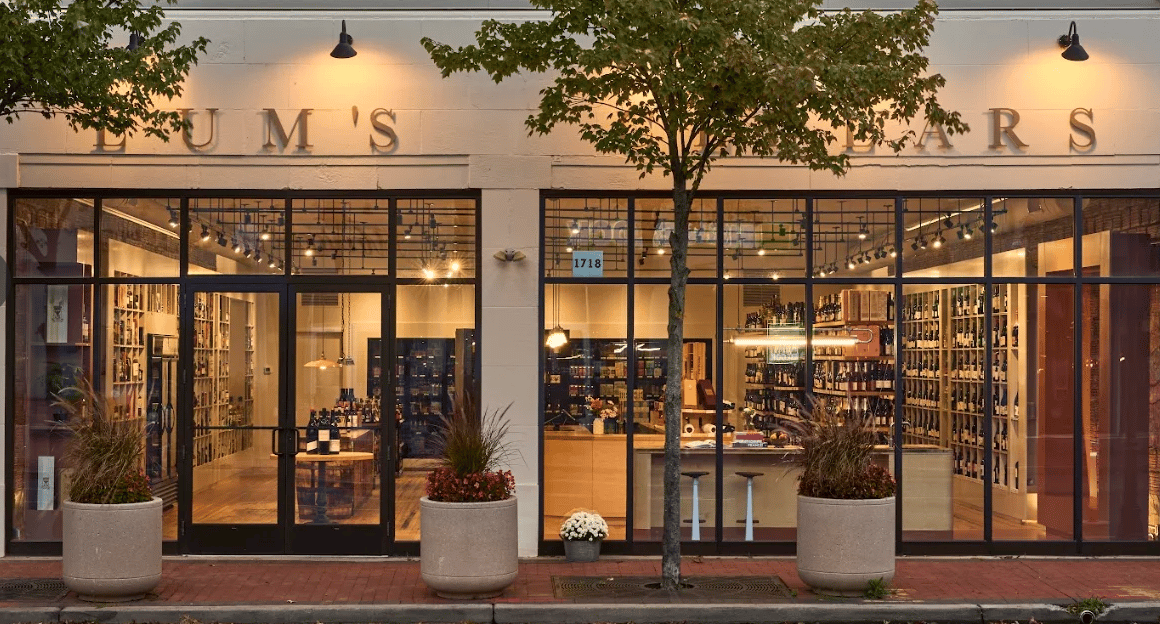
SOMA has real downtowns.
Coffee shops. Restaurants. Bookstores. Weekend farmers markets.
There’s diversity. There’s culture. There’s activism. There’s personality.
It doesn’t feel like “the suburbs” in the traditional sense.
It feels like a smaller, more breathable version of what they already love.
5. Financial Strategy Plays a Role
Yes — property taxes are higher in New Jersey. That’s real.
But when buyers compare:
-
Monthly mortgage + NYC property taxes (if owning)
-
Or rent + private school tuition
-
Or condo fees + limited appreciation
The numbers sometimes tilt differently than expected.
And unlike a co-op or condo, you’re buying land.
In established towns like Maplewood and South Orange, land value is a significant long-term asset.
6. Lifestyle Has Evolved
The biggest shift I see isn’t financial.
It’s lifestyle-based.
Families who once prioritized being steps from Prospect Park now prioritize:
-
A backyard
-
A home office with a door
-
Hosting Thanksgiving without moving furniture
-
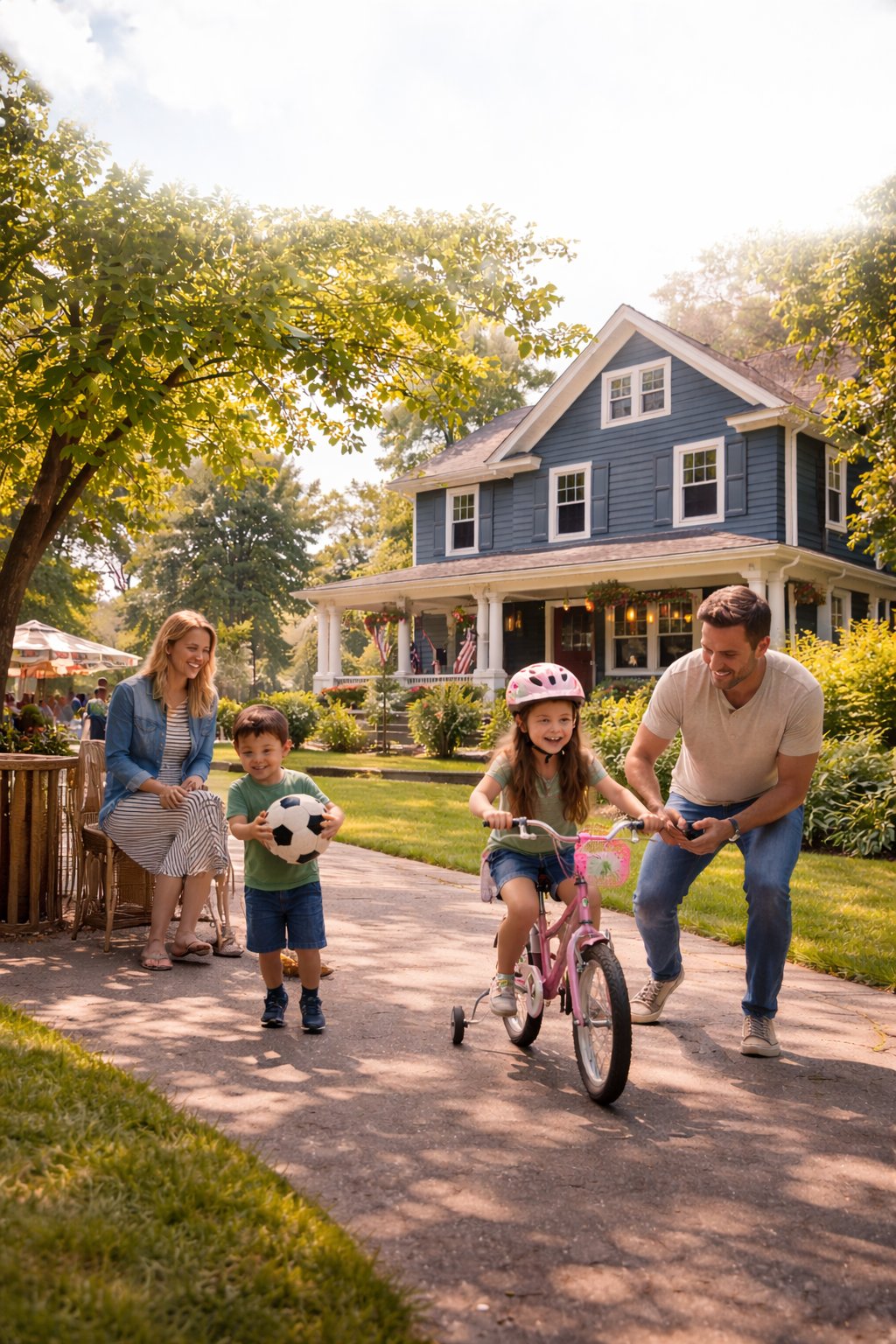
Letting kids bike on the block
It’s not about escaping the city.
It’s about expanding life.
7. It’s Not “Leaving” — It’s Upgrading the Season
The narrative used to be: “We’re leaving Brooklyn.”
Now it’s: “We’re ready for the next chapter.”
And SOMA feels like a natural evolution — not a compromise.
You still get walkability.
You still get culture.
You still get community.
But you also get space, stability, and long-term upside.
The Honest Take
SOMA isn’t for everyone.
If you want 24/7 density and subway access on every corner, Brooklyn still wins.
But if you want more room without losing your identity — and you still need access to Manhattan — South Orange and Maplewood are landing differently right now.
And families are noticing.
If you’re weighing Brooklyn versus SOMA and want to look at it from both a lifestyle and financial lens — not just an emotional one — that’s a conversation worth having.