This isn’t about “charm vs. modern.”
It’s about longevity, resale, taxes, and risk.
Let’s break it down.
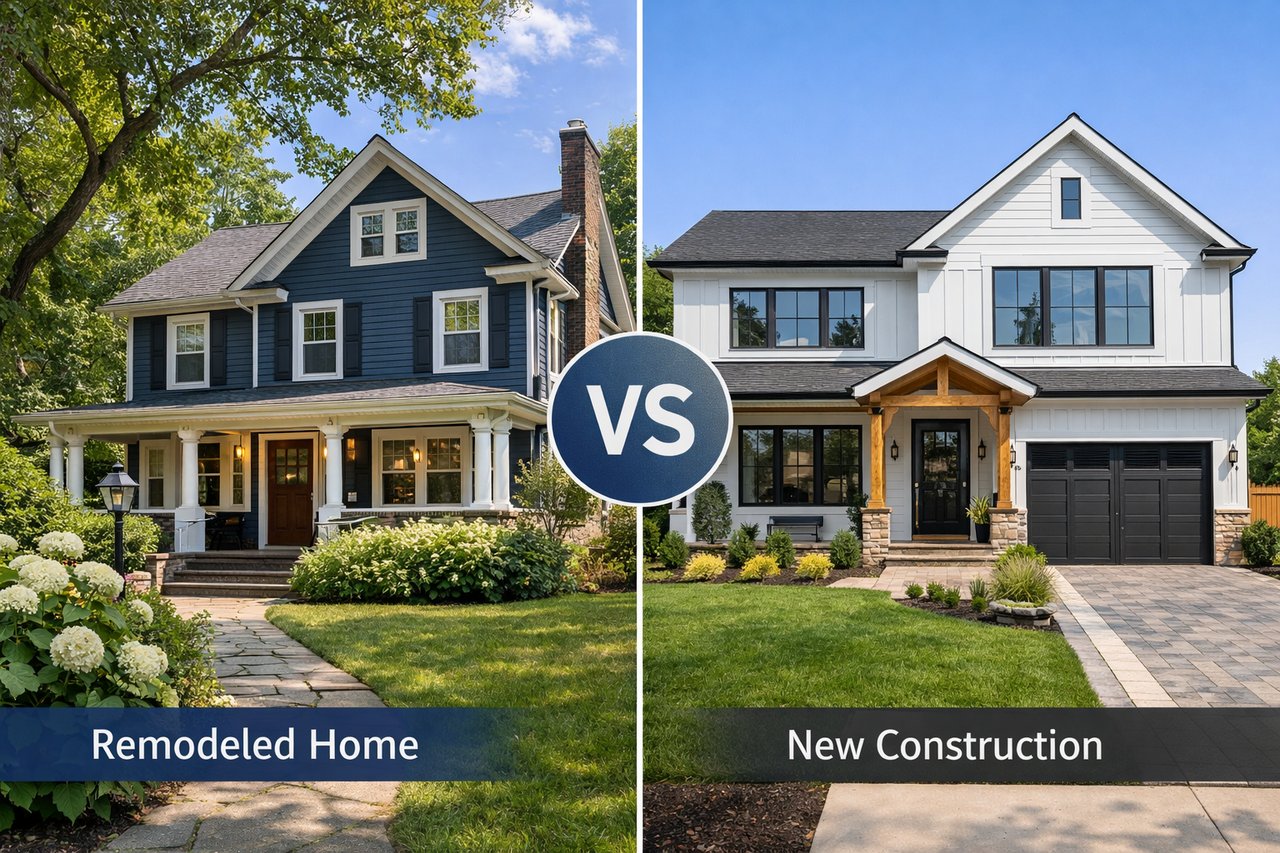
Buying a Fully Remodeled Home
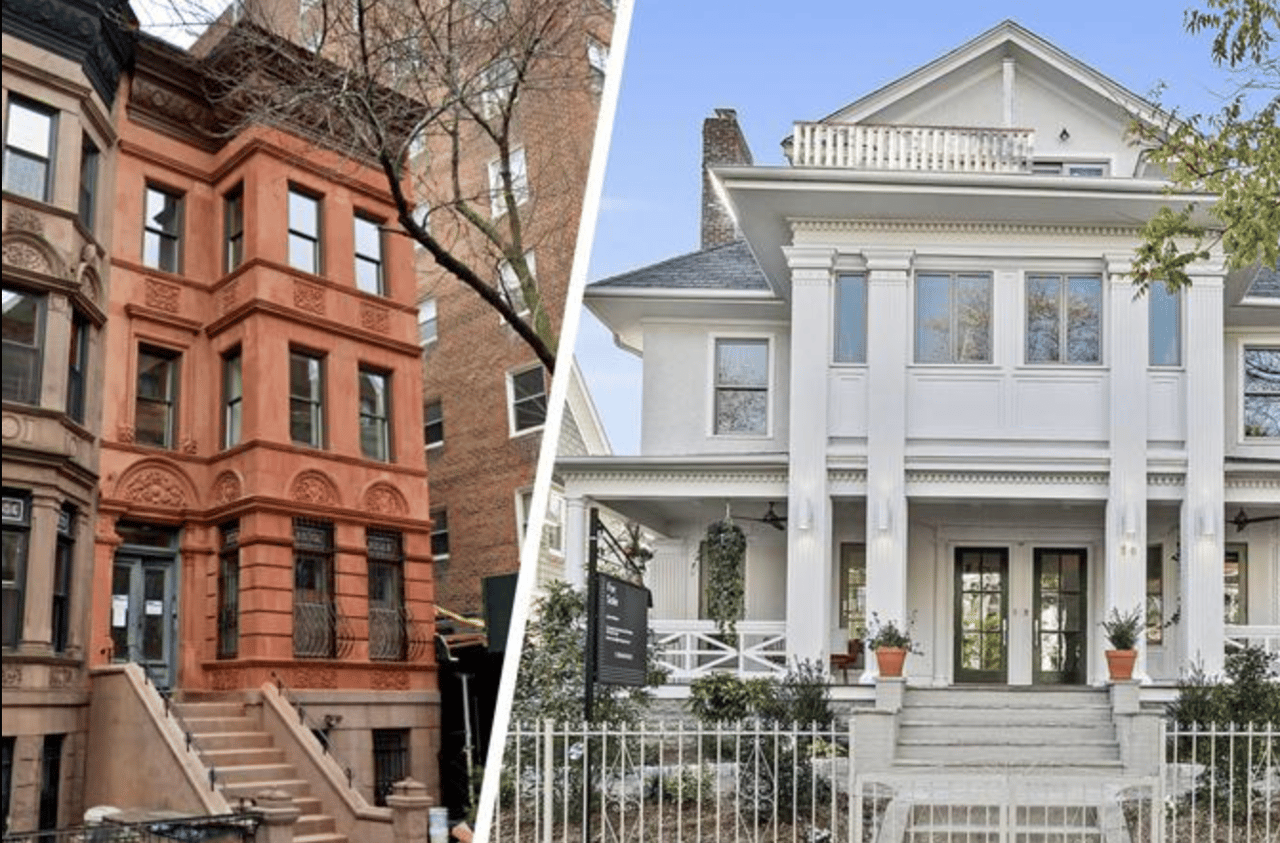
These are typically older Colonials, Victorians, or Tudors that have been updated — new kitchen, new baths, maybe new HVAC, roof, windows, and sometimes a reworked floor plan.
The Pros
1. Established Location
Remodeled homes are often on prime blocks — close to downtown, train, parks, schools. The land value is already baked in.
2. Character + Modern Function
You get original details (moldings, ceiling height, proportions) paired with updated systems and finishes.
3. Landscaping Is Mature
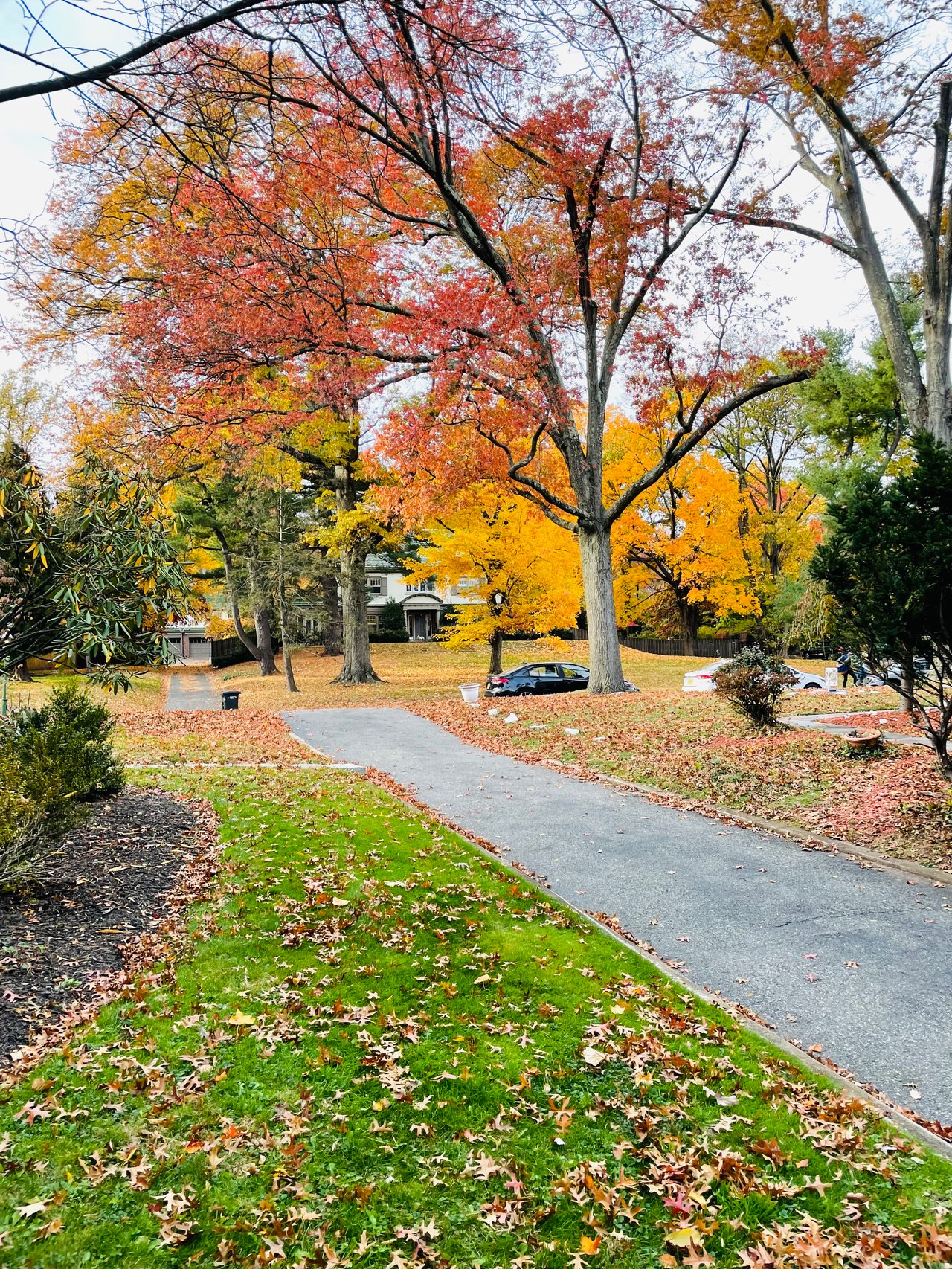
Older homes often have established trees and outdoor space that new builds don’t.
4. Potentially Lower Taxes
Depending on the scope of renovation, taxes may not jump as dramatically as they do with brand-new construction.
The Cons
1. What’s Behind the Walls?
Even beautifully remodeled homes can have older plumbing lines, framing, or infrastructure unless it was a full gut renovation.
2. Layout Compromises
Sometimes remodels work within existing footprints. That can mean smaller closets, tighter staircases, or additions that feel slightly “add-on.”
3. Quality Varies
Not all renovations are equal. Some are thoughtfully executed. Others are cosmetic flips.
Inspection matters here — a lot.
Buying New Construction
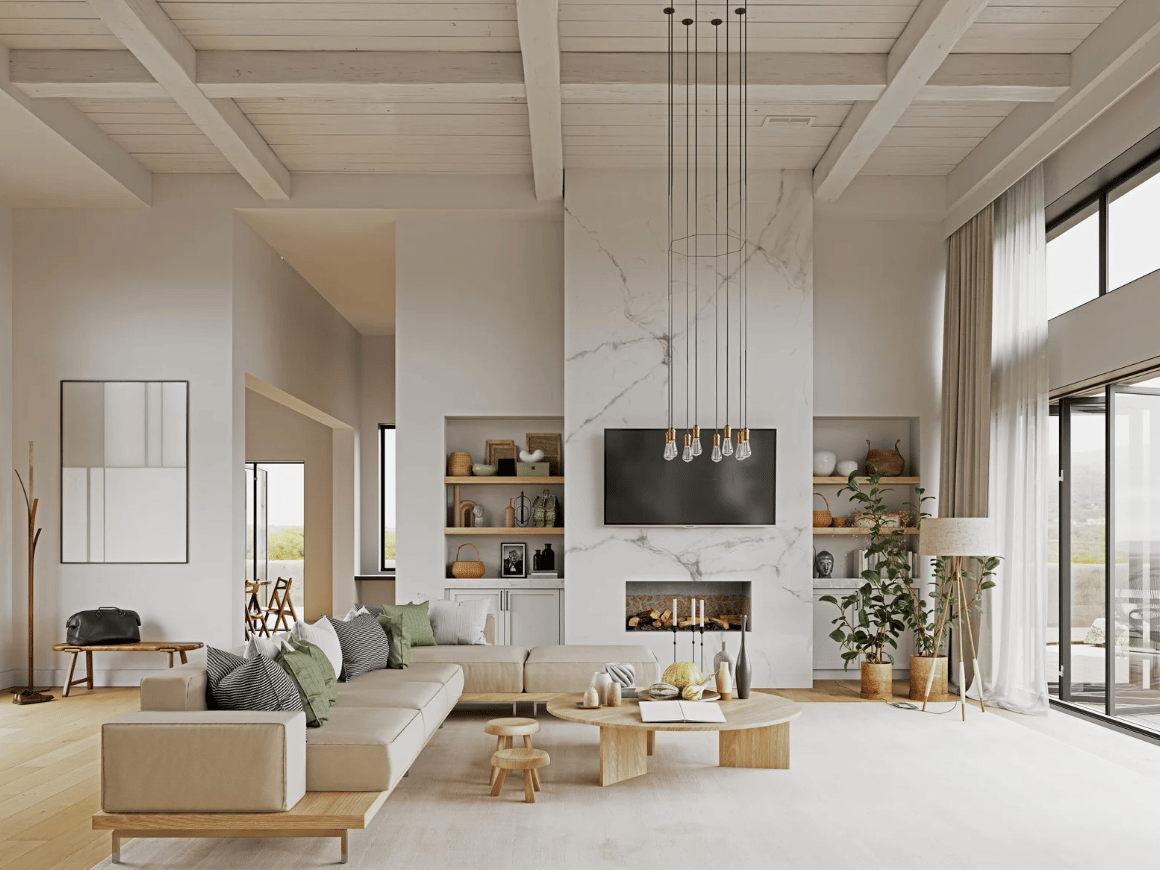
These are typically tear-downs or new infill builds with open layouts, high ceilings, large kitchens, and new systems throughout.
The Pros
1. Everything Is New
Roof, windows, HVAC, plumbing, electrical — all new. Lower maintenance in the first several years.
2. Modern Layout
Open floor plans, larger primary suites, walk-in closets, better flow for how people live today.
3. Energy Efficiency
Better insulation, newer mechanical systems, often lower utility bills.
4. Clean Resale Appeal
New homes are easy to sell because buyers love “never lived in.”
The Cons
1. Higher Property Taxes
In towns like Maplewood and Montclair, new construction assessments can be significantly higher than remodeled homes.
2. Less Established Setting
You may lose mature landscaping or neighborhood character if the house is dramatically larger than surrounding homes.
3. Premium Pricing
You often pay top-of-market for new construction.
The Financial Conversation No One Loves Having
Here’s the real difference most buyers underestimate:
-
Remodeled homes may require smaller upgrades over time.
-
New construction often comes with higher annual tax costs.
Over 10 years, that tax difference can add up to six figures depending on price point.
Also:
If a remodeled home was done 5–10 years ago, you’re not paying the “brand new” premium — but you’re still getting many updated systems.
That can be a sweet spot.
What Should Buyers Prioritize?
Ask yourself:
-
Are we paying for finishes… or infrastructure?
-
Is this renovation cosmetic or structural?
-
How long are we staying?
-
Does resale in this price tier favor new builds or character homes?
In many established NJ suburbs, there is strong demand for both — but not always at the same price ceiling.
My Honest Take
If you value character, location, and long-term neighborhood stability, a well-done remodeled home can be an incredibly smart buy.
If you want zero projects, modern layout, and maximum efficiency — and you’re comfortable with higher taxes — new construction delivers simplicity.
The biggest mistake buyers make?
Assuming “new” automatically means better investment.
It depends on the block.
It depends on the quality.
It depends on your timeline.
And in this market, strategy matters more than sparkle.
If you’re weighing two specific homes and unsure which direction makes more sense, that’s where the real analysis begins.