Why Aren’t Home Prices Crashing?

There have been a lot of shifts in the housing market recently. Mortgage rates rose dramatically last year, impacting many people’s ability to buy a home. And after several years of rapid price appreciation, home prices finally peaked last summer. These changes led to a rise in headlines saying prices would end up crashing.
Even though we’re no longer seeing the buyer frenzy that drove home values up during the pandemic, prices have been relatively flat at the national level. Lawrence Yun, Chief Economist at the National Association of Realtors (NAR), doesn’t expect that to change:
“[H]ome prices will be steady in most parts of the country with a minor change in the national median home price.”
You might think sellers would have to lower prices to attract buyers in today’s market, and that’s part of why some may have been waiting for prices to come crashing down. But there’s another factor at play – low inventory. And according to Yun, that’s limiting just how low prices will go:
“We simply don’t have enough inventory. Will some markets see a price decline? Yes. [But] with the supply not being there, the repeat of a 30 percent price decline is highly, highly unlikely.”
As you can see in the graph below, we’ve been at or near record-low inventory levels for a few years now.
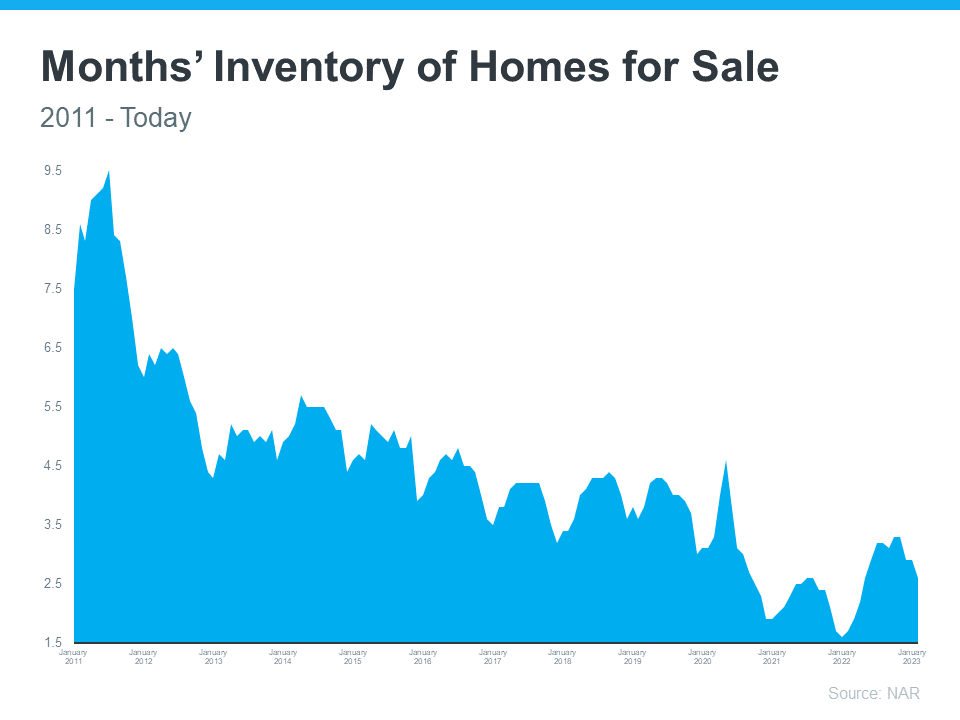
That lack of available homes on the market is putting upward pressure on prices. Bankrate puts it like this:
“This ongoing lack of inventory explains why many buyers still have little choice but to bid up prices. And it also indicates that the supply-and-demand equation simply won’t allow a price crash in the near future.”
If more homes don’t come to the market, a lack of supply will keep prices from crashing, and, according to industry expert Rick Sharga, inventory isn’t likely to rise significantly this year:
“I believe that we’re likely to see low inventory continue to vex the housing market throughout 2023.”
Sellers are under no pressure to move since they have plenty of equity right now. That equity acts as a cushion for homeowners, lowering the chances of distressed sales like foreclosures and short sales. And with many homeowners locked into low mortgage rates, that equity cushion isn’t going anywhere soon.
With so few homes available for sale today, it’s important to work with a trusted real estate agent who understands your local area and can navigate the current market volatility.
A lot of people expected prices would crash this year thanks to low buyer demand, but that isn’t happening. Why? There aren’t enough homes for sale. If you’re thinking about moving this spring, let’s connect.

From Maplewood’s creative village feel to Montclair’s urban energy and Short Hills’ spacious retreats, explore the personalities of eight Northern NJ towns.

One of the things I love about Maplewood is that you don't have to go far to feel like you’re somewhere.

I can usually tell pretty quickly whether a house has something special.
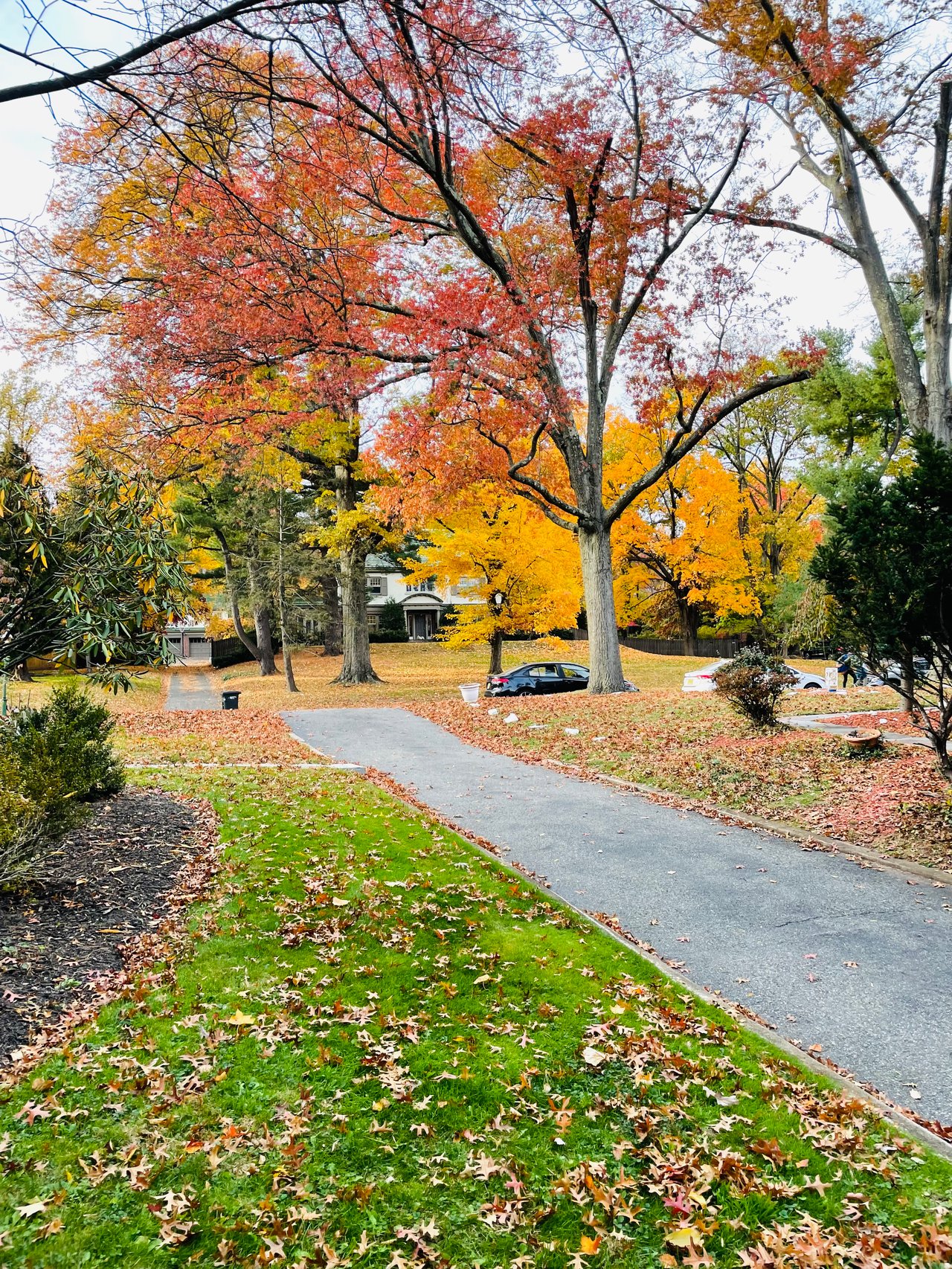
If you’re moving from New York City to northern New Jersey, there’s a good chance someone has already told you to look at Maplewood, South Orange or Montclair.
Homeownership isn't about checking a box or following someone else's timeline. It's about creating a strategy that fits your life—today and in the future.

Getting an accepted offer is exciting. For buyers, it can feel like the hard part is over. For sellers, it can feel like the finish line is finally close. But in… Read more
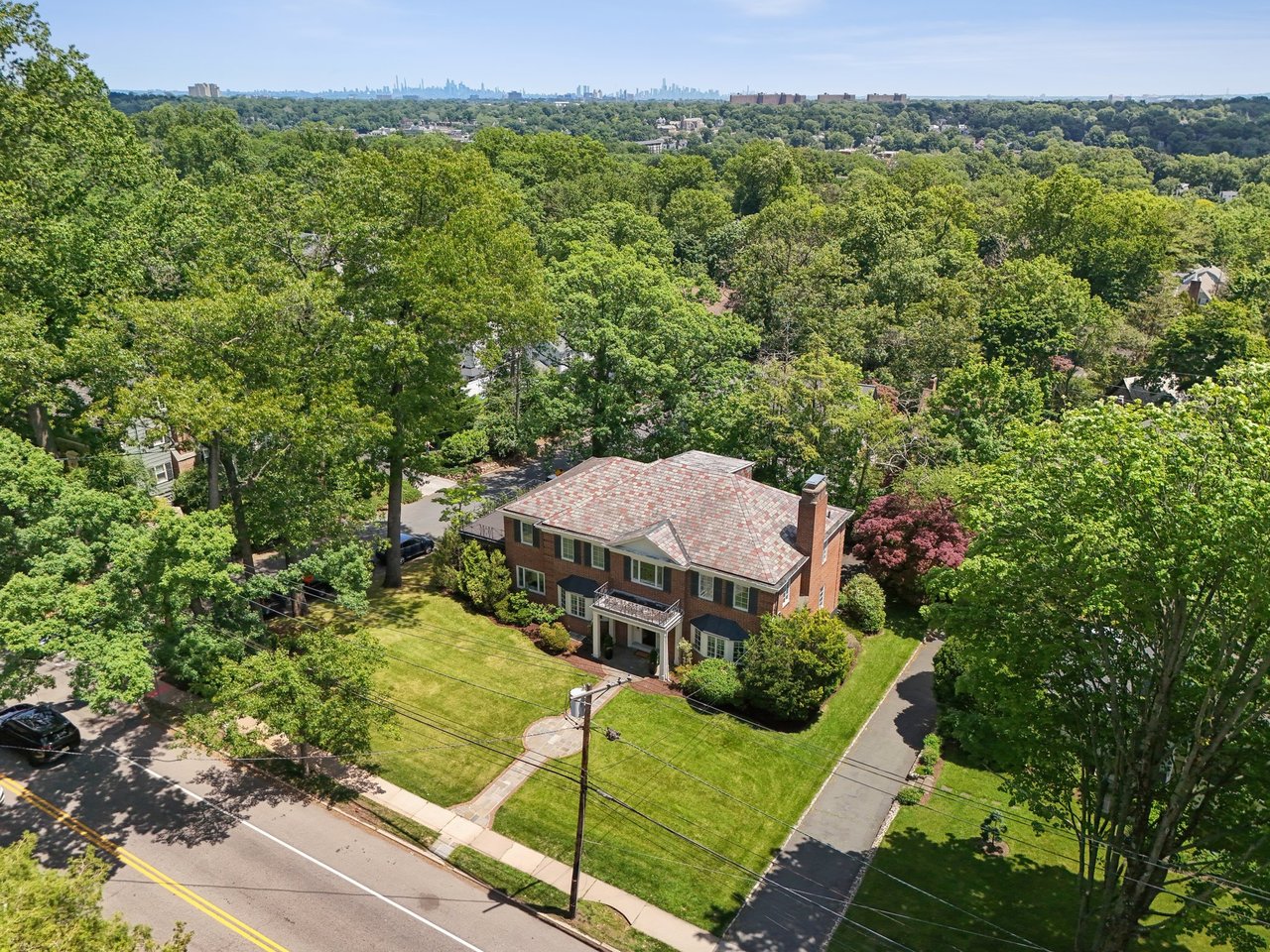
There’s a very specific conversation I keep having right now with buyers coming out of Brooklyn—smart, thoughtful people who are no longer just asking “Can we afford t… Read more


Buying a home is one of the biggest purchases you’ll ever make. And homeowner’s insurance is what protects that investment. Think of it as your safety net.
Want to stay one step ahead of the market? Sign up to be on Dyanna's VIP mailing list to receive exclusive listings, real estate news and a lot more.